How do you Insulate a Draughty Door? Learn How to Insulate Entry Doors
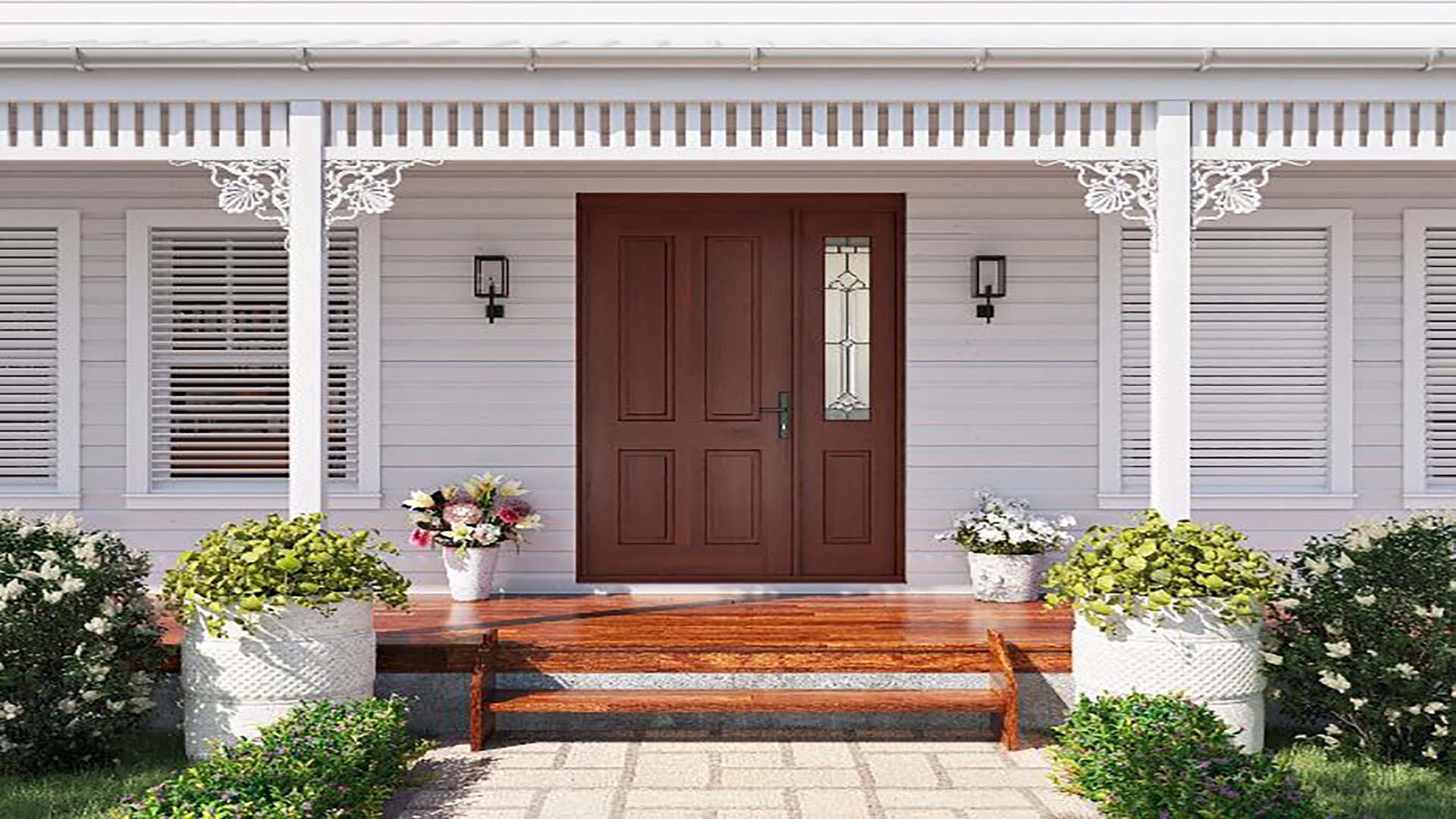
Table of Contents
Good insulation is key to a comfortable home.
A well-insulated door keeps out the draughts, helps you to regulate the temperature in your home no matter the season and keeps your energy bills down. Both doors and windows are major sources of heat loss, so improving your home’s energy efficiency starts with proper insulation. Understanding door insulation is essential for maintaining a comfortable and energy-efficient home.
There are many different types of entry doors, and some materials and styles are better at holding the elements at bay.
Front door insulation is a key factor in your home’s insulation, helping to prevent heat loss and improve overall energy performance.
If yours is letting you down, there are a few simple insulated door solutions that can make a big difference, without you having to splash out for a whole new door.
Read on to find out more about how to insulate entry doors, these tips will help improve your home’s insulation and energy efficiency.
How Can I Make My Door More Insulated?
Before you start researching and calculating the cost of entry doors to put an end to the draughts, check out these simple methods for how to insulate an existing house.
Draught proofing is a key method to insulate doors and improve home comfort, helping to seal gaps and prevent heat loss for a more comfortable living environment. These methods have you covered for most common insulation issues.
Method #1: Tighten all Fittings and Screws
Proper installation is a major factor in the insulation performance of your exterior doors. If your door was not installed correctly, it may lead to gaps and poor insulation.
Over time, your doors may have shifted or come loose so it’s worth checking and tightening all fittings and screws so that your door is hanging correctly within the frame.
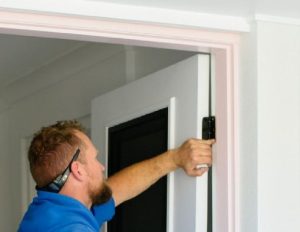
You might find it helpful to read about how to install entry doors so that you know what to check for.
Method #2: Strip and Replace Your Existing Weatherproofing
The majority of heat loss and draughts occur around the edges of your entry doors, such as between the door and the door jamb, so it’s important to make sure that your doors are well sealed.
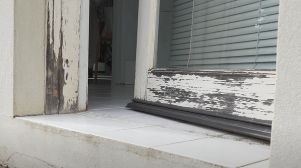
Weatherproofing and caulking can deteriorate over time so you should check, strip and replace it as needed, for maximum insulation performance.
Self-adhesive weatherproofing strips are one of the quickest and easiest answers to how to insulate entry doors.
Simply cut to size and stick around the door frame, to seal any gaps without interfering with the function of the doors.
Method #3: Seal Glass Exterior Doors with Heavy Curtains and Drapes
Hanging thick, heavy curtains on the back of your entry doors can be a highly effective way of keeping in the heat in winter (and blocking out the glaring sun in the summer months). Insulating glass panels in doors is also crucial for reducing heat transfer and improving energy efficiency.
Of course, you will need to match your curtains to your entry doors sizes for full coverage.

Image Courtesy : Pinterest
This has the added bonus of giving you a cosy, homely feel on the interior of your doors, as well as greater privacy, and is therefore particularly effective for glass entry doors.
Method #4: Install a Door Sweep
Another simple and cost-effective tip for how to insulate entry doors is to install a door sweep along the bottom edge of your doors.
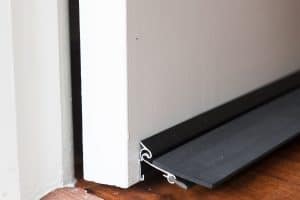
A sweep or brush seal works by sealing any gap between the door and the floor when the door is closed, so that you don’t get draughts or leaks creeping in underneath.
Be sure to get the right kind and size of door sweep to fit your entry doors.
Method #5: Use Draught Snakes or Draught Blockers When Door Isn’t In Use
Another method for sealing the gap at the bottom of your doors is to use a draught snake or draught blocker (also known as a draught stopper) that lies along the floor against the inside of the door and keeps out the cold air.
These are generally quite affordable, and you can even make your own if you would rather not buy one.
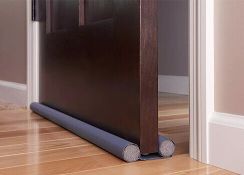
A draught snake is a particularly good idea if you have hardwood or tiled floors, where there is likely to be more of a gap than there would be with carpet.
Method #6: Insulate Letterboxes and Keyholes to Block Hidden Draughts
When it comes to door insulation, it’s easy to overlook the small details, but even the tiniest gaps can let in cold air and drive up your energy bills.
Letterboxes and keyholes are common culprits for hidden draughts, quietly allowing heat loss around the door frame and undermining your efforts to create an energy efficient home.
To prevent cold air from sneaking in, start by fitting your letterbox with a brush or a flap that includes a proper seal.
These simple additions act as a barrier, blocking draughts and helping to maintain excellent thermal efficiency throughout the winter.
For keyholes, installing a keyhole cover or escutcheon is a cost-effective way to stop heat from escaping and keep your home comfortable year round.
For an added layer of protection, use insulation foam or weatherstripping to seal any gaps around the letterbox and keyhole.
These materials are easy to install and can make all the difference in reducing heat loss and improving your home’s thermal performance.
Just a few minutes spent sealing gaps with the right insulation material can help you achieve a properly insulated front door, cutting down on energy costs and keeping your home cosy.
What if These Solutions Don’t Work?
These are our top 6 tips for how to insulate entry doors without replacing the doors themselves.
But there are some problems that can only be solved with a complete replacement.
If you’re still experiencing draughts or heat loss through your entry doors, it’s likely that your doors have lost a certain amount of structural integrity over time and simply aren’t up to the task any longer.
The red flags to look out for include large cracks or warping, so that there are gaps between the door and the frame, or sponginess of the door material and construction.
In these cases, it’s best not to spend your time and money on DIY insulation solutions but rather to invest in a new door that will make all the difference and last for years to come.
Entry Door Insulation FAQs
-
How do you insulate an old wooden door?
You can try all of the door insulation methods above to improve the performance of your wooden entry door.
For an older door, it’s a good idea to start by checking and replacing the weatherstripping.
Door sweeps are also a good idea for wooden doors as they protect the base of the door from water as well as keeping out draughts.
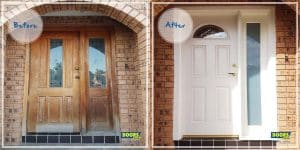
Wood is more likely to crack or warp over time, compared to materials such as fibreglass or aluminium, so if your old wooden door has some serious structural issues due to the elements, it may be time for a replacement.
-
What type of exterior door is most durable?
The most durable and weather-resistant front doors tend to be fibreglass doors, such as the Doors Plus ClimActive range.
With a polyurethane core that can expand and contract with changing temperatures, these robust doors are guaranteed not to warp, split or rot.
-
Why do door frames rot at the bottom?
Door frames can begin to rot at the bottom because of standing water or moisture that runs down the face of the door and pools at the base.
This is one of the most common reasons for a door replacement as it leads to draughts and leaks, and can compromise the security of your home.
Our fibreglass ClimActive doors include a moisture proof, anti-rot bottom rail to prevent this.
Is It Time to Replace Your Doors?
If you’re suffering from draughts or heat loss around your exterior doors, it’s worth trying some of these quick fix insulated door solutions before deciding that you need a full replacement.
Sometimes, though, a new door is the only way to fully solve your insulation woes.
If you’ve had a go at improving the performance of your existing doors and you’re still not feeling the difference, there is a huge range of entry doors available at your nearest Doors Plus showroom.
One of our friendly door specialists will take the time to understand your requirements and the pitfalls of your existing doors.
Book your consultation today and we can help you find the answer to a comfortable, draught-free home.

Recent Post

Informational
April 16, 2026

Inspirational
March 11, 2026
Featured Post

Customer Experiences & Reviews
From Quick Fix to Timeless Finish: How Doors Plus’ Double Heritage Style Front Doors Got It Right
August 21, 2025
Customer Experiences & Reviews
How Doors Plus’ Interior Shaker and Barn Doors Took One Home From Dated to Elevated
August 20, 2025